7/29/2020
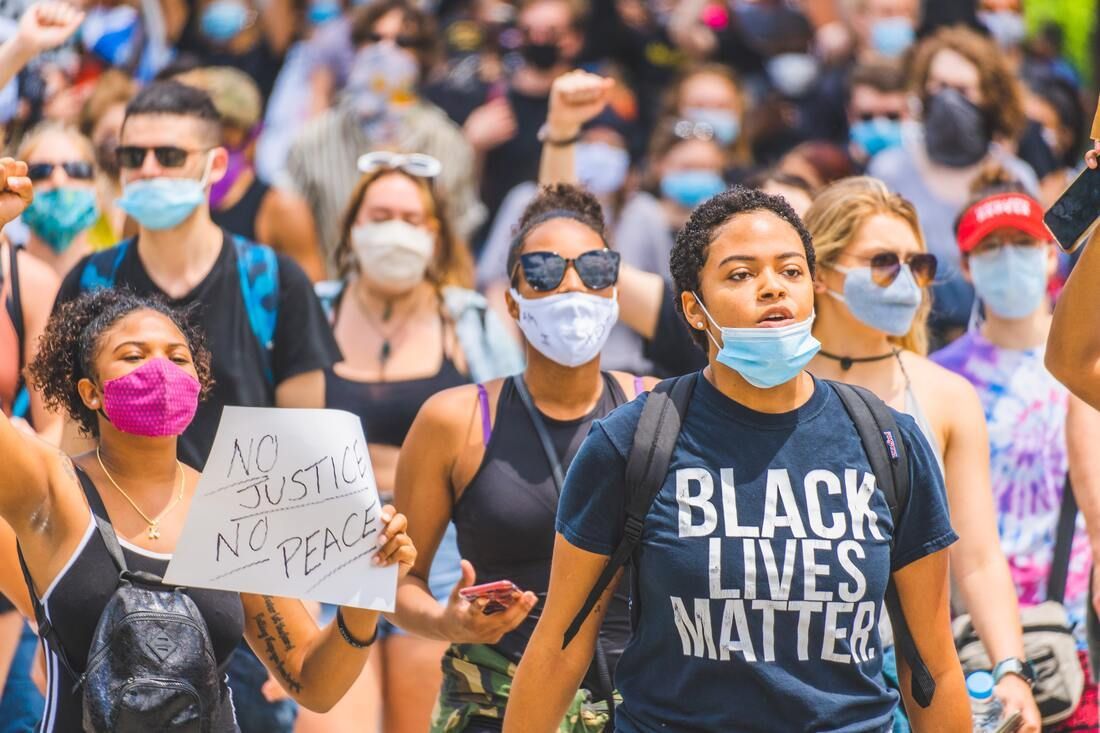
As nationwide protests against police brutality continue to rock the nation, educators and school staff are preparing to welcome students back for in-person and virtual learning. Many teachers see this as a prime opportunity to help students of all ethnic backgrounds process their feelings by addressing these protests and opening up discussions.
“Teachers cannot be silent during this time,” said Patrick Harris, a 6th and 7th grade English and social studies teacher at the Detroit Achievement Academy. “Teachers have to take a stand. Students are absorbing this and they’re going to ask themselves later on in life or even now, ‘What was my teacher doing during this time?’”
Talking with students about these events, as they experience them, is top priority right now. Teachers have to find a way to make meaning of this that creates a better society in the long run.
Education Week
compiled the following list of resources for teachers, as we embark on a critical school year.
Resources about George Floyd’s death and the current protests:
- PBS NewsHour Extra released a lesson plan for grades 6-12 about the death of George Floyd. The plan includes a news video (that omits the footage of Floyd's death) and discussion questions about the protests, police brutality, and media literacy.
- The New York Times' Learning Network shared an article about the protests, along with discussion questions, and opened comments for students to share their opinion.
- The Anti-Defamation League has created a short lesson on Floyd's death and police killings of black people, which includes a reading, discussion questions, and action steps for students aged 11 and up.
Resources for talking about race, racism and Black Lives Matter:
- Black Lives Matter at School, a national coalition, created an anti-racist curriculum guide with English/language arts, math, social studies, and arts materials. The guide has lessons for early childhood through high school students that align with the principles of the Black Lives Matter movement.
- D.C. Area Educators For Social Justice, an initiative of Teaching for Change, has a collection of lessons, videos, readings, books, and general teaching guides for students in early childhood through high school.
- The Smithsonian National Museum of African American History and Culture launched an online portal called Talking About Race that's designed to help steer conversations about racism, racial identity, and the way these forces shape every aspect of society.
- The Pulitzer Center partnered with the New York Times to turn the 1619 Project, a collection of essays and literary works observing the 400th anniversary of the beginning of American slavery, into a curriculum for teachers of all grade levels. The curriculum includes reading guides, activities, and other resources about the history of race in America.
- Teaching Tolerance, a project by the Southern Poverty Law Center, periodically updates its package on teaching about race, racism, and police violence.
- Ian Lawrence, a teacher in Toronto, shared on Twitter a Google drive filled with resources for teachers of all grade levels on anti-racism and the Black Lives Matter movement. The resources include relevant articles, discussion questions, coloring pages, and Spanish-language materials.
Starting these classroom conversations can be uncomfortable and challenging. But for black teachers, talking about police brutality and anti-black racism can be particularly emotionally draining. The Practice Freedom Project, founded by Atlanta educator Tamara Pearson, is hosting
virtual meditations and reflections for black educators.
0 Comments