9/30/2021
The International Day of Non-Violence is observed on 2 October, the birthday of Mahatma Gandhi, leader of the Indian independence movement and pioneer of the philosophy and strategy of non-violence.
Research shows that nonviolent resistance works better than violence.
“Countries in which there were nonviolent campaigns were about 10 times likelier to transition to democracies within a five-year period compared to countries in which there were violent campaigns — whether the campaigns succeeded or failed.” - Erica Chenoweth.
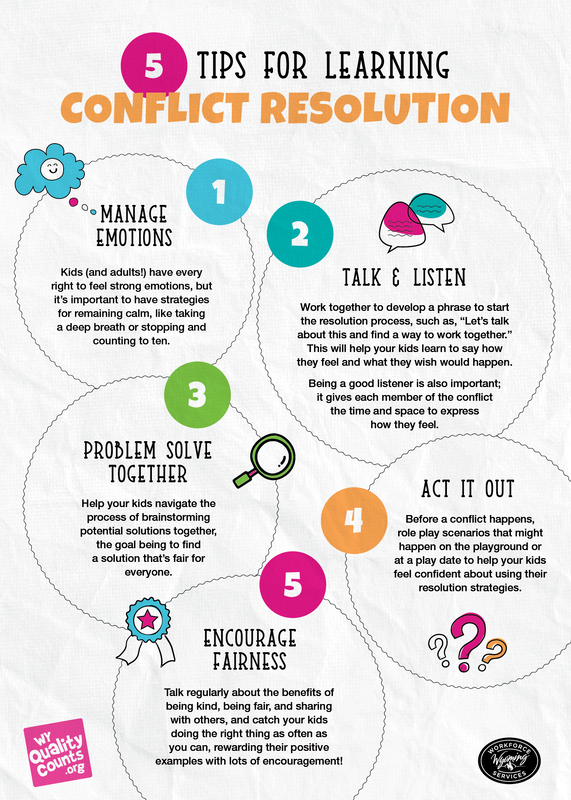
Our goal in Social and Emotional Learning programming is to give people the skills to be able to resolve conflicts with nonviolent strategies. Everyone encounters conflict almost daily, with friends, family, strangers, co-workers, and others. Below you'll find tips to be able to hone your conflict resolution skills and give those skills to your students or children.
To choose the best conflict resolution method in any given situation, you need to consider several factors, such as:
- How important your desires are.
- The impact on you or others if your desires are not served.
- The consequences of choosing to be more assertive.
- Whether a collaborative or cooperative solution exists.
Being able to choose and apply the best conflict resolution strategy effectively is made possible by developing better conflict resolution skills. Examples of conflict resolution skills that can help you include the ability to:
- Listen effectively.
- Identify specific points of disagreement.
- Express your own needs clearly.
- View conflict as an opportunity for growth.
- Focus on specific issues without generalizing or escalating the situation.
0 Comments