11/19/2020
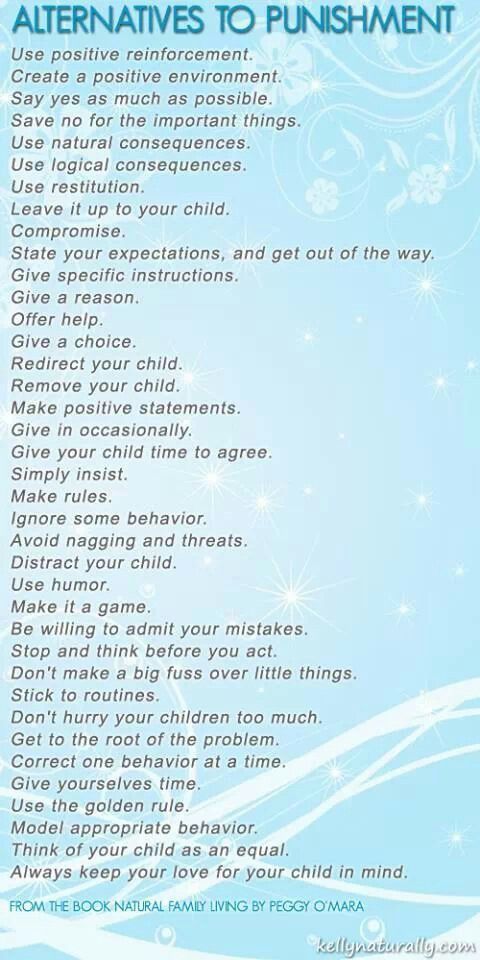
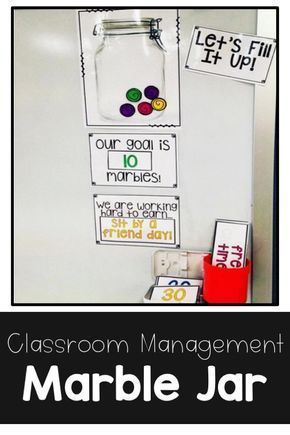
Positive reinforcement is one of the most effective behavior modification techniques. It is important to reward the behavior you want to see more often, rather than focusing on negative actions. Examples of free or low-cost rewards that encourage positive behavior include: clapping and cheering, giving a high five, giving a hug, giving a thumbs-up, and offering a special activity. You may also reward positive behaviors by giving a child extra privileges or tangible rewards. Remember to focus on your child’s efforts and improvement, rather than focusing only on perfect results; if you see them try or if they did better than last time, let them know you notice. The more often praise is offered, the more motivated your child will be to repeat the behavior. The connection between the reinforcement and the behavior will make the positive consequence more memorable and effective.
Eight alternatives for punishment:
- Take a time-out with your child.
- Actively show your child that they are heard.
- Ask mundane questions.
- Connect with your child.
- Provide your child with choices.
- Give yourself a time-out before responding.
- Teach kids to show – not just say – that they are sorry.
- Give your child time along with an expectation.
In the classroom, reward coupons could be a great way to practice positive reinforcement. Students will be able to earn the opportunity to listen to music on their headphones, be the teacher’s helper for the day, draw on the board for 15 minutes, extra recess, etc.
Here are links to additional resources for alternative punishment:
8 Positive Alternatives to Punishment
Using Positive Reinforcement to Improve Behavior
0 Comments