1/20/2021
“I am convinced that men hate each other because they fear each other. They fear each other because they don’t know each other, and they don’t know each other because they don’t communicate with each other, and they don’t communicate with each other because they are separated from each other.” -Rev. Dr. Martin Luther King, Jr. Cornell College, 1962.
Monday was Rev. Dr. Martin Luther King Jr. Day, and it’s celebrated as a day on, not a day off, for many people. It’s a day of action and service to achieve King’s dream. Below are resources to help you think about the role race plays in your life and in society, resources for how to be anti-racist, and resources to cope with racial trauma.
Questions to ask ourselves about race:
1. How many people whose race or ethnic identity is different from your own are you friends with?
2. How many people whose race or ethnic identity is different from your own live in your neighborhood?
3. Do you have conversations about race or ethnicity with your friends, family, or with people whose race or ethnic identity is different from your own?
4. What role does power play in determining our cultural spaces?
5. What commitments can you make this year to try to listen to and understand a person or people you fear or don’t know?
6. What commitments can you make this year to actively be anti-racist?
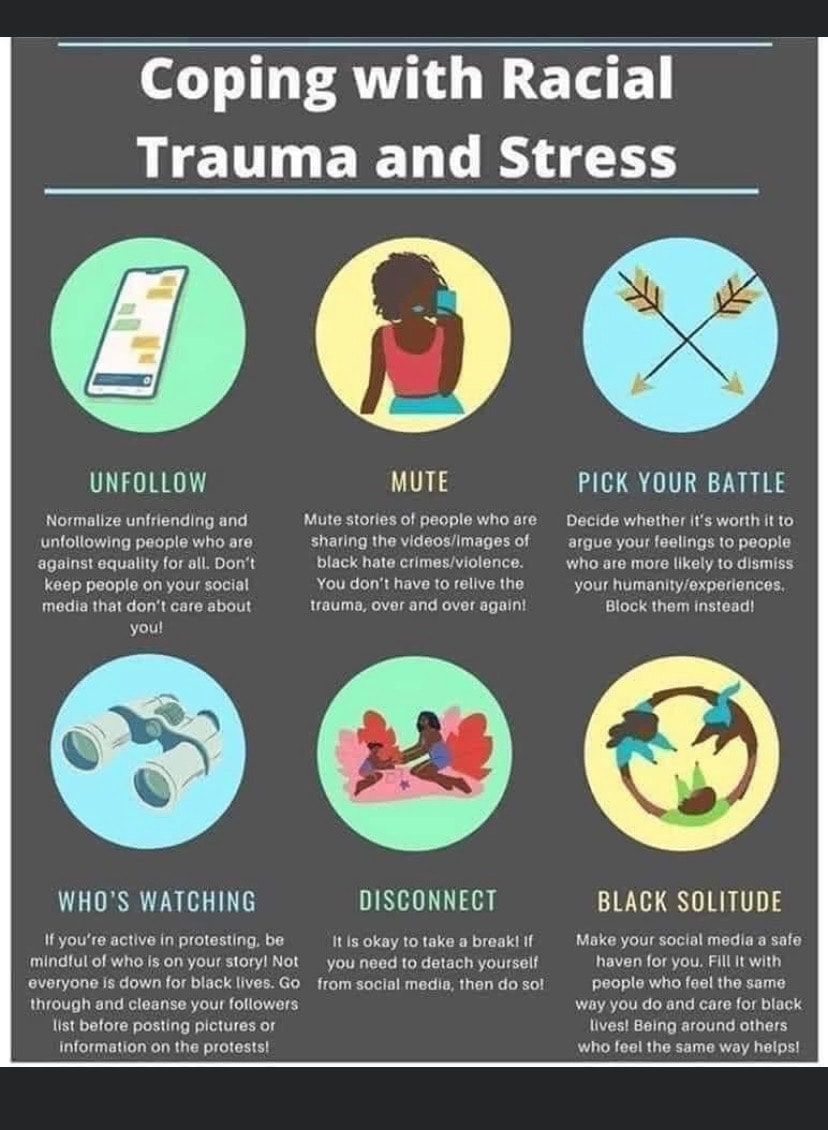
Coping Skills for Racial Trauma:
- Taking part in activism against racial injustice
- Finding a supportive community that understands racial trauma
- Self-care practices (healthful nutrition, exercise, etc.)
- Avoiding relationships, when possible, with people who dismiss the seriousness of racial trauma
- Identifying racial trauma triggers and avoiding them during times of intense stress
- Going on a limiting media “diet” to avoid images of racial abuse
- Identifying racial microaggressions and roleplaying how or when to respond
Coping with Racial Trauma
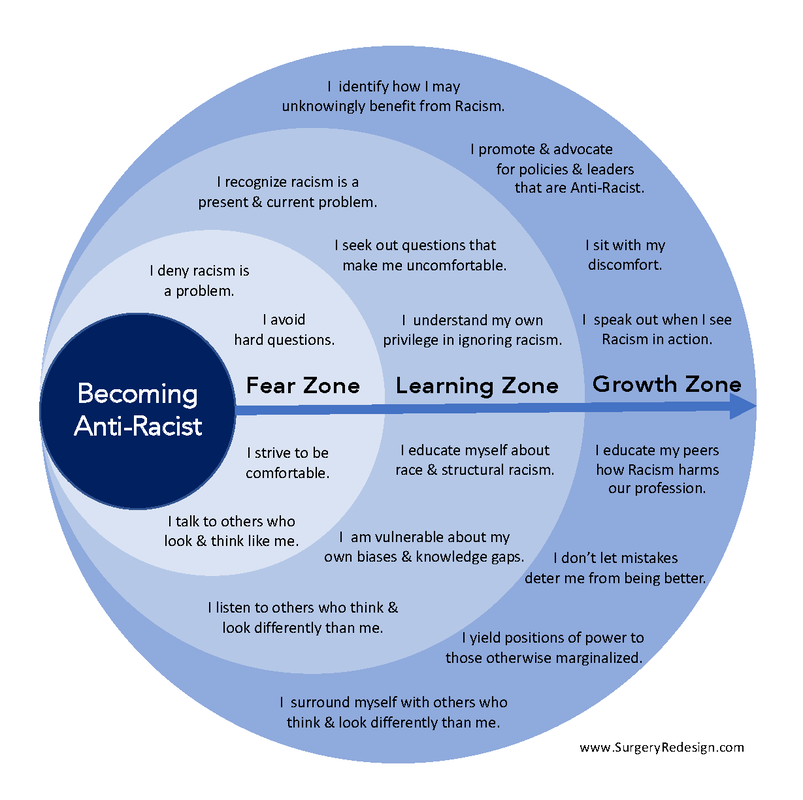
Ways to Be Anti-Racist:
- Hold your friends and family accountable.
- Attend workshops, events, conferences, and protests that focus on race-related issues.
- Diversify your knowledge and check your information bias.
- Engage in race and ethnicity courses through different departments.
- Have intentional conversations with peers, friends, co-workers, etc. with respect to each other’s boundaries.
- Learn with humility.
- Support the work, art, and businesses of people of color.
- Become involved in organizations that support racial justice issues.
- Avoid usage of stereotypical and normalized, micro-aggressive comments (10-ways to Be Anti-Racist)
0 Comments